

Synthetic Bristle Environmental Impact: Life Cycle Assessments
Synthetic Bristle Environmental Impact: A Deep Dive into Life Cycle Assessments
Synthetic bristles have become ubiquitous in personal care products, from shaving brushes to makeup tools, prized for their durability, consistency, and affordability. However, as global sustainability concerns rise, understanding their environmental footprint through Life Cycle Assessments (LCAs) has become critical. LCAs evaluate the environmental impact of a product from raw material extraction to end-of-life disposal, offering insights into where improvements can be made.
Raw Material Extraction: The Foundation of Impact
Most synthetic bristles are derived from petroleum-based plastics like nylon (polyamide) or PBT (polybutylene terephthalate). Extracting and refining crude oil for these materials releases significant greenhouse gases (GHGs), with studies linking plastic production to approximately 4% of global carbon emissions. Additionally, oil drilling disrupts ecosystems, contributing to habitat loss and water pollution. Emerging alternatives, such as bio-based plastics made from renewable resources like corn starch or sugarcane, aim to reduce reliance on fossil fuels, but their scalability and cost remain challenges.
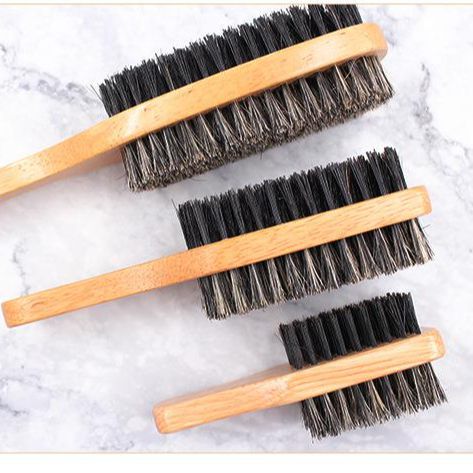
Manufacturing: Energy and Emissions
The production phase is another hot spot for environmental impact. Transforming raw plastics into bristles involves melting, extrusion, and shaping, processes that demand high energy input—often from non-renewable sources like coal or natural gas. A 2023 LCA study by the Sustainable Materials Institute found that bristle manufacturing accounts for 55-65% of a synthetic bristle’s total carbon footprint, with energy use and chemical additives (e.g., plasticizers) driving pollution. Water usage is also notable: cooling systems in extrusion plants consume millions of liters annually, straining local water resources in arid regions.
Use Phase: Durability vs. Maintenance
Synthetic bristles’ longevity is a double-edged sword. Their resistance to wear means fewer replacements, reducing overall product demand. However, improper maintenance—such as harsh cleaning chemicals—can leach microplastics into water systems. A 2022 study in Environmental Science & Technology detected microplastic ps from synthetic shaving brushes after just 10 uses, highlighting the need for consumer education on eco-friendly cleaning practices (e.g., using mild soap and air-drying).
End-of-Life: The Disposal Dilemma
The most pressing environmental concern lies in disposal. Synthetic bristles are non-biodegradable, persisting in landfills for centuries or breaking down into microplastics that contaminate soil and oceans. Incineration releases toxic fumes, while recycling is limited: most curbside programs do not accept small, mixed-material products like brushes, leading to high waste rates. Innovations like biodegradable synthetic blends (e.g., PLA-based bristles) show promise, but their decomposition depends on industrial composting facilities, which are not globally accessible.
LCAs as a Catalyst for Change
LCAs are invaluable for identifying inefficiencies. For example, a leading brush manufacturer recently used LCA data to switch from nylon-6 to recycled nylon-6, cutting production emissions by 30% and reducing reliance on virgin plastic. LCAs also highlight trade-offs: bio-based bristles may lower carbon footprints but require more land and water for crop cultivation compared to petroleum-based alternatives.
The Path Forward
To mitigate impact, the industry must prioritize three actions: investing in renewable energy for manufacturing, developing truly biodegradable or recyclable bristle materials, and designing products for circularity (e.g., detachable bristles for easy replacement). Consumer demand for transparency will drive innovation—brands that share LCA results and sustainability goals are increasingly favored by eco-conscious buyers.
In conclusion, synthetic bristles’ environmental impact is multifaceted, but LCAs provide a roadmap for reduction. By addressing each life cycle stage—from raw materials to disposal—manufacturers can balance performance with planet health, ensuring synthetic bristles remain a viable, sustainable choice for the future.


